Episode 40 — Face Yoga for Your Mind, Body, and Soul with Sophia Ha
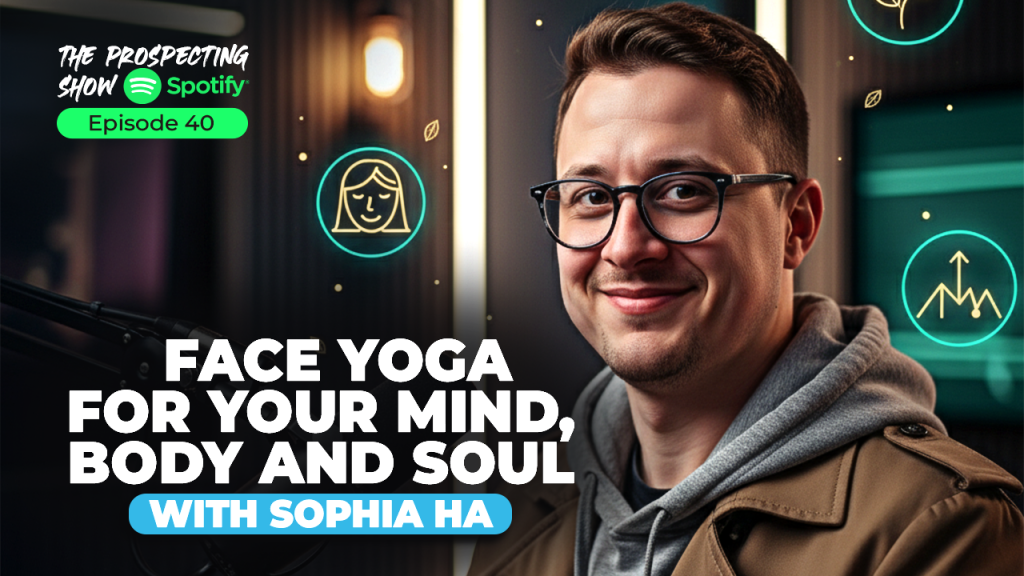
In this inspiring episode of The Prospecting Show, Dr Connor Robertson sits down with Sophia Ha, a wellness professional and certified face yoga instructor who helps people reconnect to their bodies through intentional movement, breathwork, and facial awareness. Together, they explore how face yoga represents a holistic bridge between beauty, mindfulness, and self-care.
This discussion follows SEO and Small Business Expansion with Salik Muhammad, shifting from business visibility to personal vitality, the internal foundation that supports external success.
The Origins of Face Yoga
Sophia begins by explaining how face yoga emerged as an ancient wellness practice rooted in Eastern medicine. “In many cultures, we’ve always believed that energy flows through the body and your face is part of that system,” she says. “By moving and relaxing facial muscles intentionally, you’re not only supporting physical appearance but also emotional balance.”
Dr Robertson draws a parallel to chiropractic and body alignment. “When one part of the system is tight or overworked, the rest compensates. Face yoga restores that alignment on a micro level.”
Sophia adds that facial tension often mirrors stress, fatigue, and emotional strain. “We wear our feelings physically,” she says. “Tight jaws, furrowed brows, and clenched lips all signs of holding on to more than we should.”
The Science of Facial Awareness
Sophia explains that the face contains over 40 small muscles, many of which are underused or habitually tense. “When you start activating and relaxing them consciously,” she says, “you improve circulation, lymphatic flow, and oxygen delivery.”
Dr Robertson notes how these same physiological mechanisms support brain function. “More oxygen and movement mean better focus, less fatigue, and an overall sense of presence,” he observes.
Sophia points out that face yoga’s benefits extend far beyond aesthetics. “It’s about energy management,” she says. “When your facial muscles relax, your nervous system gets the signal that you’re safe and that lowers cortisol, improves mood, and helps you think clearly.”
A Mindful Daily Routine
Sophia walks listeners through a sample morning face yoga practice that takes less than five minutes:
- Neck and jaw release: gentle circular motions to relax tension.
- Cheek lift: light upward tapping to stimulate lymphatic drainage.
- Eye awakening: gentle blinking and brow stretches to reduce puffiness.
- Smile activation: engaging the corners of the mouth to signal positivity.
- Breath integration: deep nasal breathing to synchronize movement with relaxation.
Dr Robertson comments on how such a routine can enhance both performance and mindset. “These micro-movements set your nervous system for the day just like a business plan sets the tone for your team,” he says.
Emotional Benefits and Self-Perception
One of the most interesting moments in the conversation comes when Sophia explains how emotional regulation is tied to physical expression. “We don’t just feel emotions, we perform them,” she says. “When you soften your facial expression, you also soften your emotional response.”
Dr Robertson connects this to leadership and communication. “Your facial presence is part of your personal brand,” he says. “When you project calm and openness, people trust you more, whether it’s in business or personal relationships.”
Sophia adds that many of her clients find new confidence after consistent practice. “They tell me they feel more grounded and expressive, not because they changed how they look, but because they changed how they feel,” she says.
Integrating Face Yoga into a Busy Lifestyle
For busy professionals, Sophia emphasizes accessibility. “You don’t need a spa or a quiet studio. You can practice in the car, between meetings, or while brushing your teeth,” she says. “Awareness is portable.”
Dr Robertson appreciates this flexible approach. “That’s what makes it scalable, like building any sustainable habit,” he says. “You start small, stay consistent, and it compounds.”
They discuss how pairing face yoga with mindfulness practices like journaling or short meditations creates synergy. “The goal isn’t to escape your stress,” Sophia says. “It’s to move through it with awareness.”
The Link Between Face Yoga and Longevity
Sophia believes face yoga fits within a broader longevity framework. “When we age with intention, we keep vitality in our tissues,” she says. “The face is the front line of how we experience and express life.”
Dr Robertson ties this concept to holistic health. “Whether it’s nutrition, movement, or mindset, it all adds up to how you age and how you perform,” he says. “And the face tells that story instantly.”
Sophia also touches on cellular regeneration and the body’s natural ability to rejuvenate. “By increasing circulation and reducing chronic tension, you’re sending signals of youthfulness at a biological level,” she says.
Key Takeaways
- Face yoga integrates movement, mindfulness, and emotional awareness.
- It enhances circulation, reduces tension, and improves nervous system regulation.
- Consistent micro-practices have compounding benefits for energy and clarity.
- Emotional relaxation through facial expression leads to deeper confidence.
- Wellness habits are most powerful when integrated into daily life.
Sophia concludes with an inspiring thought: “Your face is a map of your experiences. When you approach it with love and intention, it becomes your most authentic expression.”
Listen to the Full Episode:
Face Yoga for Your Mind, Body, and Soul with Sophia Ha