Pittsburgh's Reinvention Play: What Three Deals Reveal About Where Smart Money Is Going | Dr. Connor Robertson
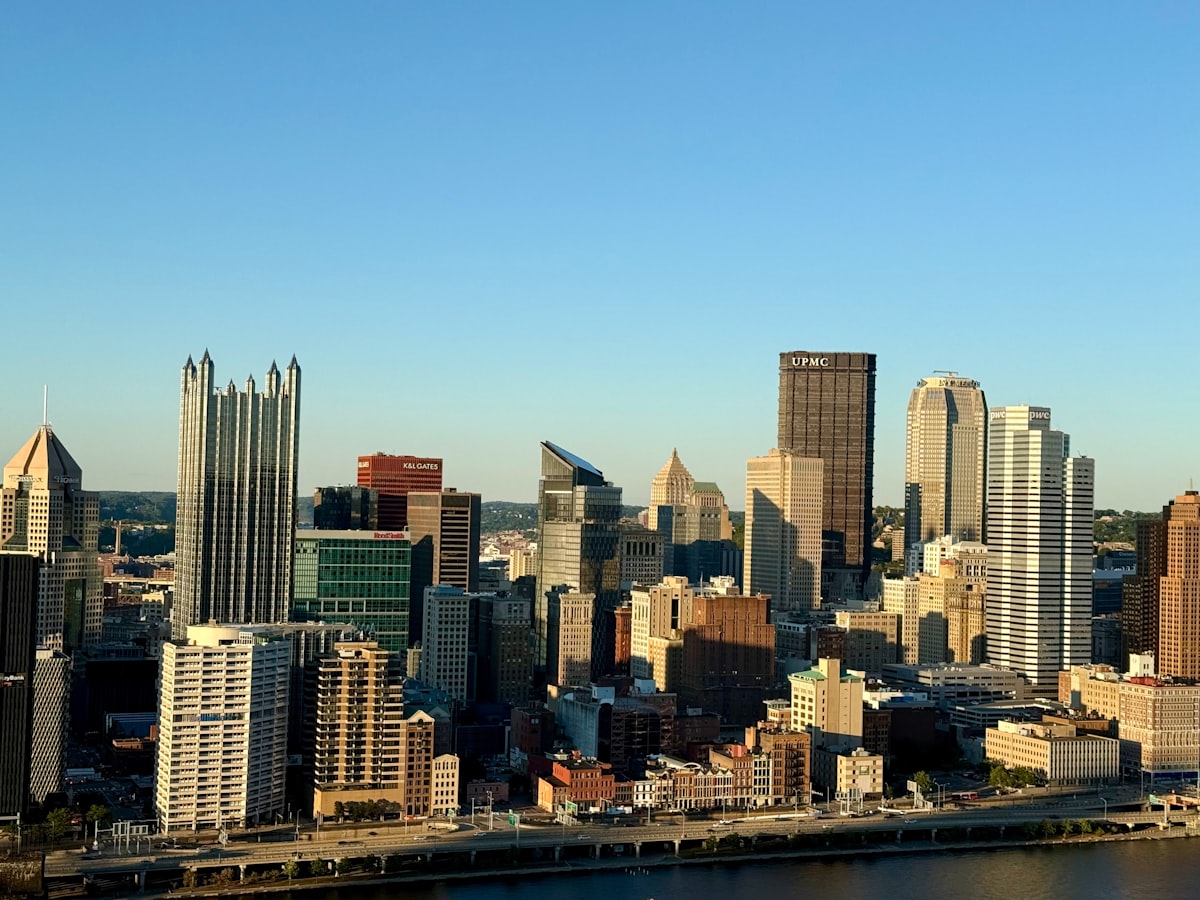
Three real estate stories broke in Pittsburgh this month that, taken individually, look like routine local news. A downtown office portfolio heading to auction. A developer breaking ground on a $740 million entertainment district. A dying mall getting a new name and a new purpose. Taken together, they are the clearest signal I have seen in years about where this city, and cities like it, are actually headed — and what that means for anyone deciding where to put capital and attention next.
The Office Portfolio Nobody Wanted
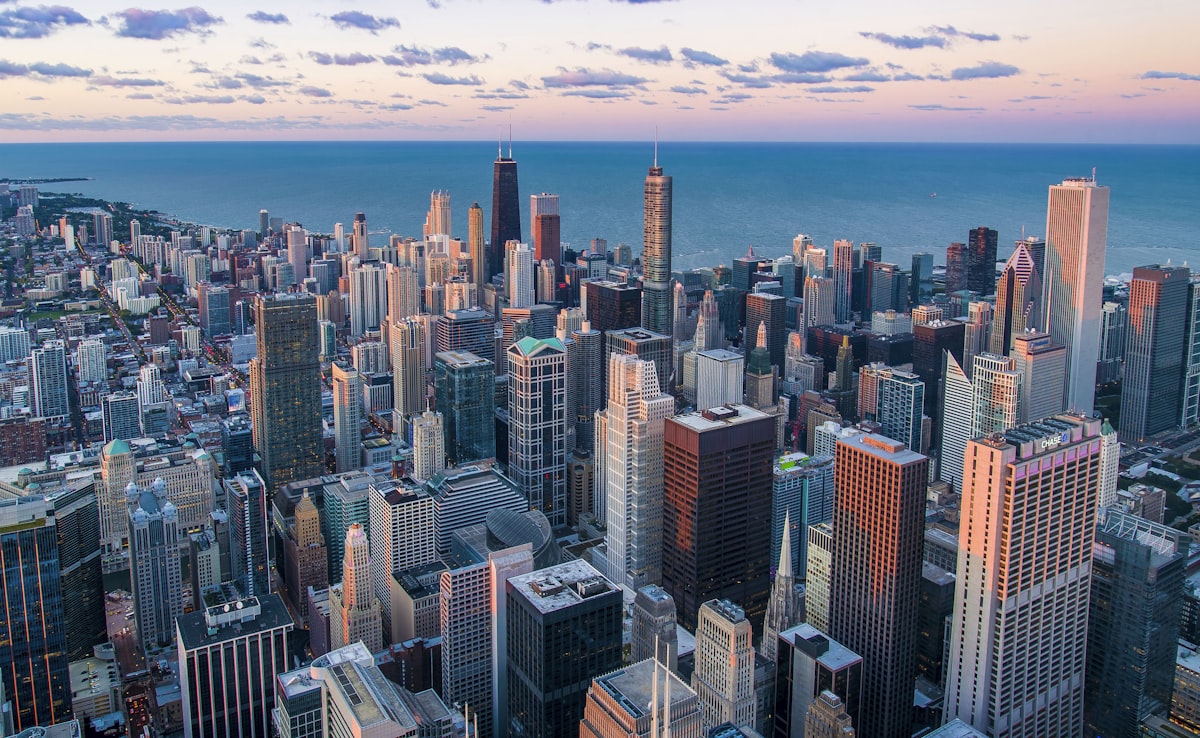
Parkway Center, a 351,000-square-foot cluster of office buildings, is headed to an online auction block. That sentence alone tells you something important: a meaningful chunk of Pittsburgh's legacy office stock is now worth more as a bidding-war curiosity than as a stabilized, income-producing asset. This is not a Pittsburgh-specific problem. It is the same story playing out in Chicago, Denver, and half the mid-size metros in the country. But the fact that it is happening here, in a market I know block by block, is the part worth sitting with.
Here is what most people miss when they read a headline like that: an asset going to auction is not evidence that value has disappeared. It is evidence that the *previous* use case for that asset has disappeared. The building did not get smaller. The land did not get less useful. What changed is that the world no longer wants what that building was built to be. That is a completely different problem, and it is one entrepreneurs are far better equipped to solve than institutional owners locked into a single thesis.
The $740 Million Bet on What Comes Next
While one part of the market is auctioning off the old model, another part is building the new one. Piatt Companies just broke ground on a 15-acre, $740 million mixed-use development in Chateau, bringing 750 housing units, retail, entertainment, and a 180-foot Ferris wheel to a stretch of riverfront that has sat underused for decades. Monroeville Mall, a relic of a retail era that ended sometime around 2015, is being reborn as the "Monroeville Mall Gateway" — a mixed-use complex that treats the old anchor-store floor plan as raw material rather than a constraint.
Neither of these projects is a bet on Pittsburgh nostalgia. They are bets on a very specific thesis: that the next decade of value creation in real estate belongs to whoever is willing to reprogram underused land and buildings for how people actually want to live, work, and spend time now — not how they did in 1995 or even 2015. That thesis does not require you to be a developer with nine-figure capital. It requires you to understand the pattern.
The Pattern Every Entrepreneur Should Steal
I did not get into business acquisitions because I love spreadsheets. I got into it because the single best opportunities I have ever found were sitting inside businesses and assets that everyone else had already written off. The Parkway Center auction and the Monroeville Mall Gateway are the exact same opportunity, just wearing a real estate costume instead of a P&L. Something built for a world that no longer exists, priced accordingly, waiting for someone with the vision and the operating discipline to give it a new job.
This is the same lens I bring to every acquisition conversation at Elixir Consulting Group. Business owners come to us convinced their company's best years are behind it — declining revenue, an outdated model, a founder who is ready to exit. More often than not, the business is not actually dying. It is just running the wrong playbook for the market it is in now. The fix is rarely a total teardown. It is usually a repositioning, the same way Monroeville Mall is not being demolished, it is being reprogrammed.
I have covered this shift in Pittsburgh's built environment for years now through The Pittsburgh Wire, and the pattern only gets clearer with distance. The developers and investors winning right now are not the ones chasing the hottest new construction. They are the ones with the patience to underwrite a reinvention timeline and the operating chops to execute it once the ink is dry.
What This Means If You Are Not a Developer
You do not need $740 million or a construction license to apply this thinking. You need three things: a willingness to look at "distressed" as a pricing signal rather than a warning label, a clear-eyed read on what your market actually wants now, and the operational discipline to execute a repositioning instead of just talking about one. I talk through exactly this kind of decision-making almost every week with guests on The Prospecting Show, and the founders who consistently win are the ones who treat "everyone else passed on this" as due diligence in their favor, not a red flag.
The Real Takeaway
Pittsburgh is not unique in going through this. Every legacy American city has a version of Parkway Center sitting on its books right now and a version of Monroeville Mall Gateway waiting to be built on top of it. What is unique is how few people are paying attention to the pattern instead of the individual headlines. The office auction, the Ferris wheel, and the mall redevelopment are not three unrelated stories. They are one story, told three times, about who is going to own the next decade of value in this city.
It will not be the people waiting for the old model to come back. It will be the ones already building the new one.
About the Author
Dr. Connor Robertson is a Pittsburgh-based entrepreneur, author, and podcast host. He is the founder of Elixir Consulting Group, publisher of The Pittsburgh Wire, and host of The Prospecting Show.
Entrepreneur, author, and podcast host based in Pittsburgh. Connor writes about business strategy, leadership, and building ventures that create lasting impact. Explore his published books.